One agent.Every tool.
The Hermes SDK turns a full autonomous agent into a single call. Give it a goal in plain language — it writes and runs code, browses the web, reads images, creates files and charts, and hands back clean results with downloadable artifacts. No orchestration to wire up.
Run code
Writes and executes Python & shell, captures output, and returns any files it produces.
Search the web
Searches and reads live pages, then answers grounded in what it found.
Drive a browser
Controls a real Chromium — navigate, click, fill forms, screenshot.
See images
Analyzes and describes images you attach, and reasons over their contents.
Make charts
Turns data into plots via code (matplotlib & co.) — returned as downloadable artifacts.
Work with files
Reads, writes, patches and searches files within an isolated working directory.
Delegate
Spawns sub-agents to split large jobs into parallel, focused tasks.
Remember
Per-user memory + full-text search over past conversations.
Plan & skills
Task planning for multi-step work, plus any installed skills it can invoke.
One class, Hermes. A general run() for any goal, stream() for live agentic UIs, plus capability-shaped shortcuts. Every call returns the same Result.
agent = Hermes(
    model      = None,        # default model; None → server default
    permission = "allow",     # "allow" | "deny" | callable(tool) → decision
    user       = None,        # default identity for memory + isolation
    timeout    = 600,         # seconds per call
    retries    = 2,           # auto-retry transient model errors (safe — no dup side effects)
)
from hermes_sdk import Hermes

agent = Hermes()
res = agent.run(
    "plot a gaussian histogram"
    " and save it as hist.png",
    user="alice",
)

print(res.text)
# → "Done — 10,000 samples, 50 bins…"

for a in res.artifacts:
    open(a.name, "wb").write(a.bytes())
    # → hist.png  (downloadable)
# watch the agent work, live
for ev in agent.stream(
    "research EV sales in 2025, chart them"):
    if ev.kind == "text":
        ui.append(ev.text)      # streaming
    elif ev.kind == "tool":
        ui.step(ev.title)       # web_search…
    elif ev.kind == "done":
        ui.show(ev.result)      # final + files

# vision: attach an image
agent.see("chart.png", "what trend is this?")

# continue the conversation
agent.resume(res.session_id,
    "now use 100 bins")
… The chart has been created successfully. Let me show the user the result.
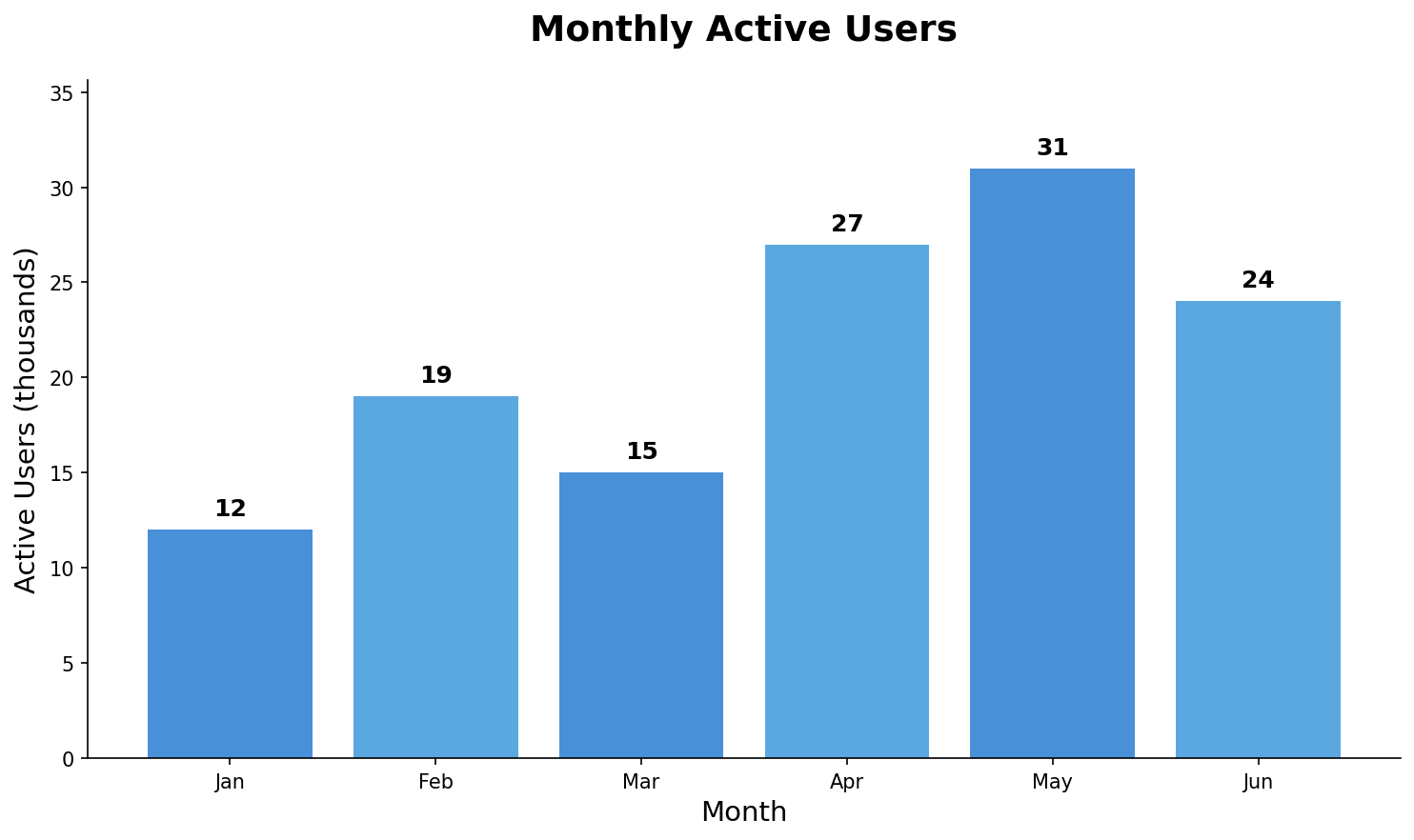
Real output, not a mock — captured from agent.visualize(...) against a live Hermes. The PNG above is the file in res.artifacts[0].
Result
   .text         str            # the final answer (clean — no tool noise)
   .artifacts    list[Artifact] # files the agent produced
   .tool_calls   list[ToolCall] # what it did, in order
   .reasoning    str            # its thinking (optional)
   .session_id   str            # pass to resume() to continue
   .stop_reason  str            # end_turn | max_turns | refusal
   .elapsed      float          # seconds
   .usage        Usage          # token counts

Artifact
   .name str   .mime str   .size int   .bytes() → bytes   .url str?

ToolCall
   .tool str   .title str   .status "running" | "done" | "error"

Attachment
   Attachment.image(src)   Attachment.file(path)   Attachment.bytes(data, mime)

Capability
   .id str   .name str   .summary str